| Author |  Topic Topic  |
FromTheKeyboard
Starting Member
USA
39 Posts |  Posted - 04 Sep 2016 : 00:18:03 Posted - 04 Sep 2016 : 00:18:03  
| Hey guys & gals.
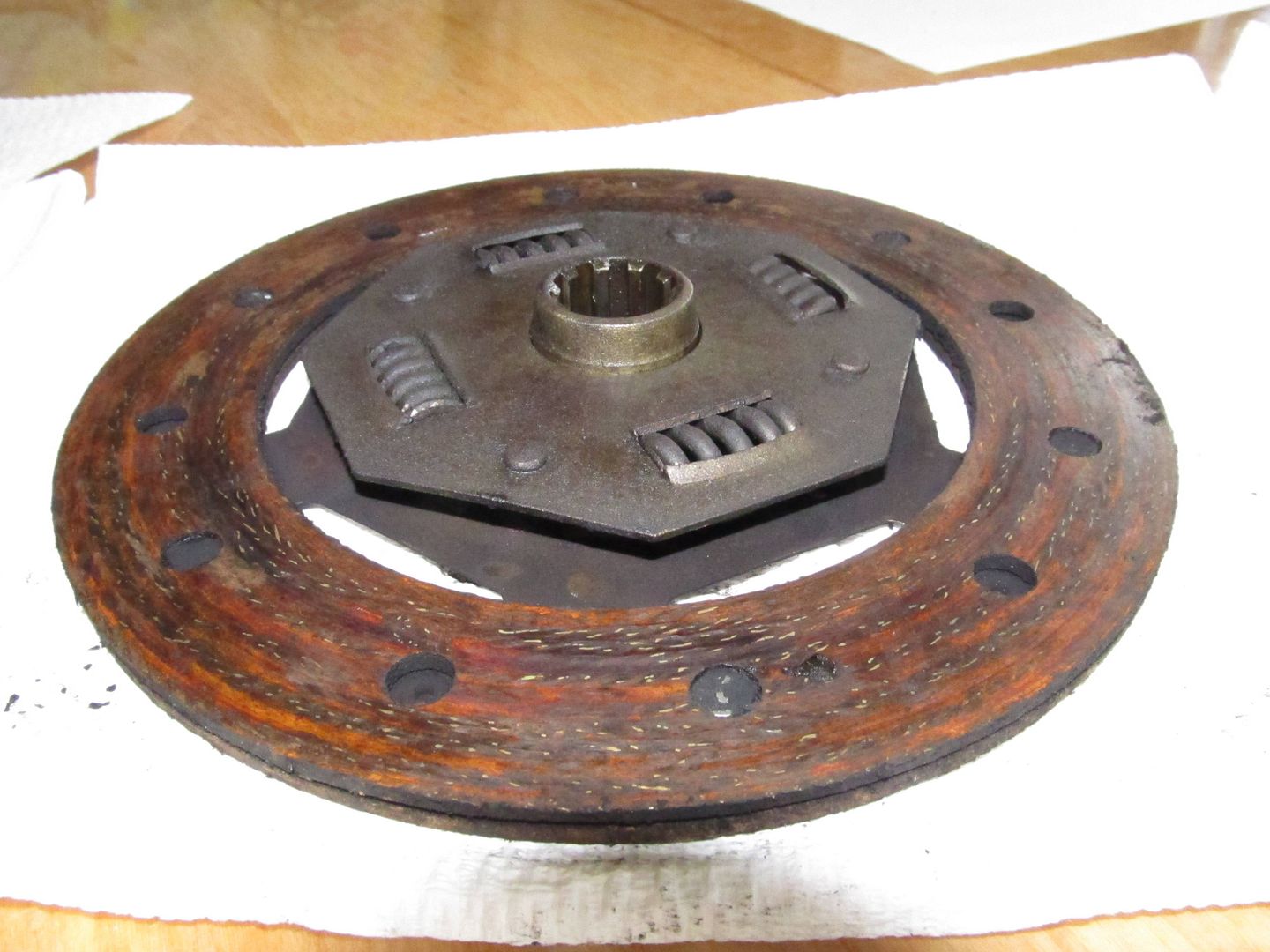
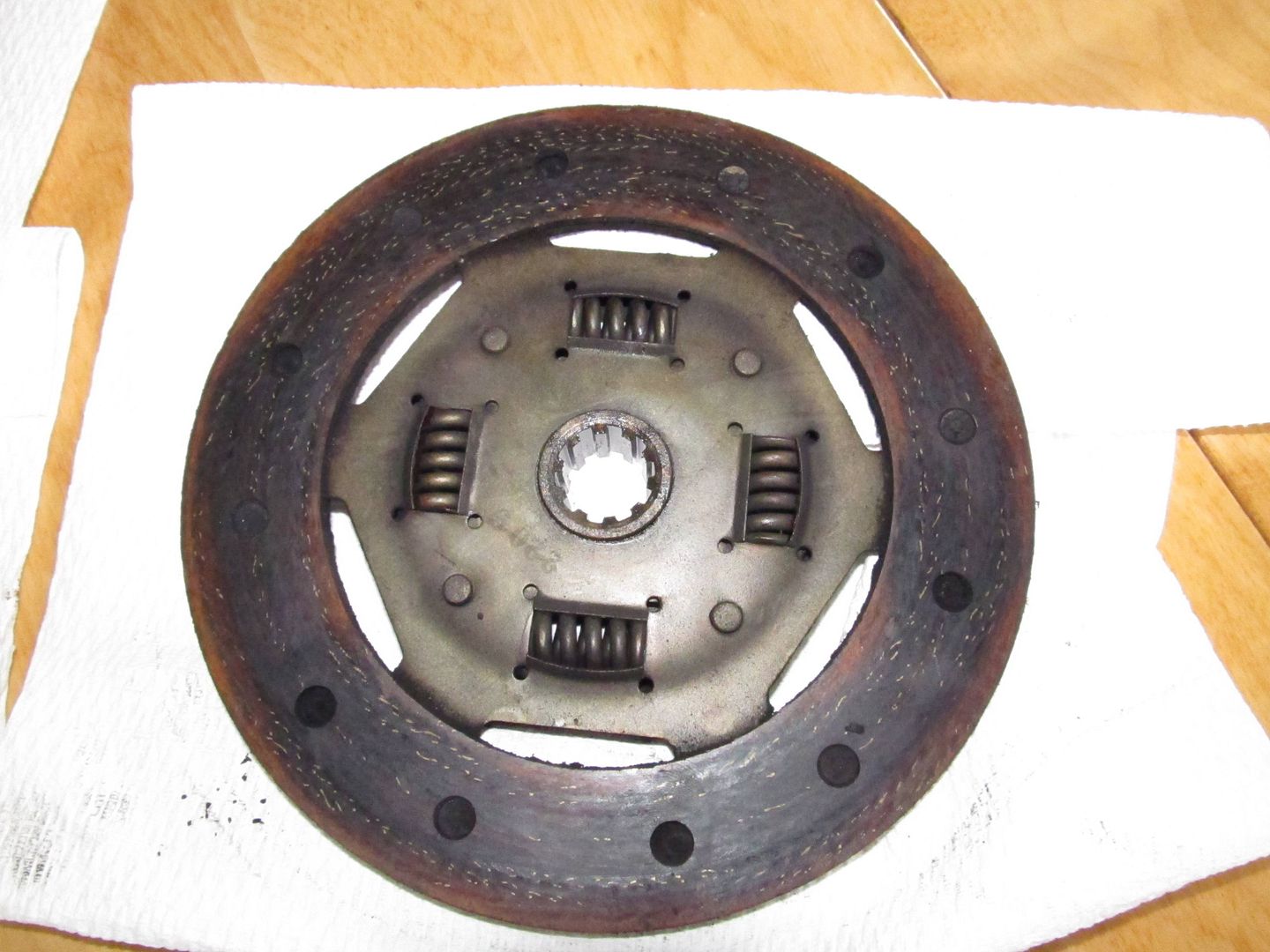
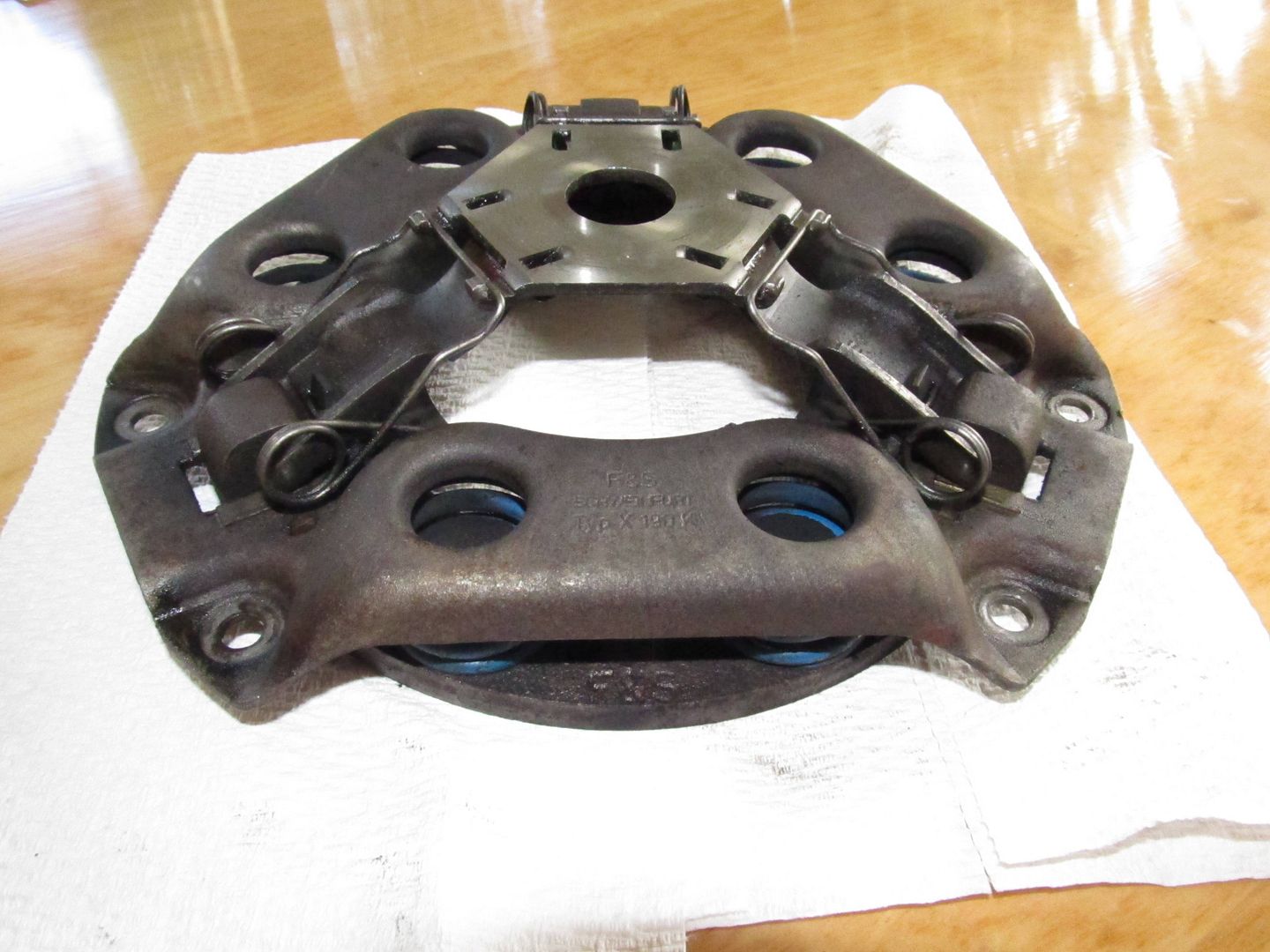
I am currently in the process of restoring my 96 to running condition, and with the engine & clutch pulled, I've been debating replacing either both the Friction Disc & Pressure Plate, or only the Disc.
I've included some pictures of the parts current condition, along with current Disc & Plate thicknesses below:
*Friction disc thickness: 6.55mm
Pressure Plate disc thickness: 9.95mm
http://imgur.com/Pazjb6P
http://imgur.com/IoOfwSZ
http://imgur.com/cA2AVjG
http://imgur.com/lz8IMw0
I also need the torque values for the clutch-flywheel bolts if anyone's got them, as my manual doesn't list it.
*-Including both sides, along with interior mounting plate.
Thank you. |
|
melle
V4 Guru

United Kingdom
4145 Posts | |
FromTheKeyboard
Starting Member
USA
39 Posts | Posted - 17 Sep 2016 : 01:49:59
| I apologize if this is considered reviving a dead topic, but I now have a couple more questions for clutch/flywheel experts:
I've now pulled the flywheel off, as it had 2 very small grooves in it.
Shall I have a local machine shop take a couple thousandths off both the pressure plate & friction disc surfaces?
I do recognize the fact that both surfaces need to remain at the same distance apart.
Along with that, I read in various places that if one removes the flywheel bolts, they should be replaced. Is this true in any way?
The new Friction Disc I ordered also appears to have an issue where the rivet heads on the disc's engine side sit flush with the friction material, of which the surface area is less than the original disc (seen above), resulting in what looks like will be the grinding of the rivet heads on the flywheel. Will taking about 1/8 inch material off the disc in the area of the rivets fix this problem?
|
Edited by - FromTheKeyboard on 17 Sep 2016 01:50:25 |  |
|
chris steeden
V4 Fan

United Kingdom
177 Posts | Posted - 17 Sep 2016 : 08:44:31
| | From memory, You only machine the flywheel disc contact surface and the same amount from the flywheel surface where the holding bolts go. These two areas on the actual flywheel must remain constant. Do not machine the friction disc or the pressure plate clutch assy. I would check in a manual for the maximum amount that you can machine off (and hope that the flywheel hasn't been done before). I would have thought that the manual also gives the overall minimum width of a flywheel. |
Edited by - chris steeden on 17 Sep 2016 08:45:56 | |
|
Woody
V4 Guru
United Kingdom
2878 Posts | Posted - 17 Sep 2016 : 16:25:45
| The disc looks to have wear though does not appear to be scored. A new clutch disc has an uncompressed depth of 8.4mm (+/-0.1mm). Have checked a new disc in the garage and it conforms to this. Also look at the depth of facing before the heads of the rivets would be flush. At New it is 1.5mm apprx each side.
Where did you get your new disc. Send it back as it is useless with rivets flush with the facings. Can you show pics of this please?
Your existing pressure plate looks quite clean, especially the release bearing plate. The pic of the plate face is dark so difficult to assess, clean the plate face to check for scores. If good I would be tempted to just replace the disc and clutch release bearing. Could you check your pressure plate thickness as it seems to be high. My new one bought in 1990 measures 9.6mm which compares to a Competition pressure plate bought from SAAB in 1975.
The manual does not give flywheel dimensions, but have measured a spare in the garage and the depth is 17.4-17.5mm. I cannot get an accurate reading as the battery has gone on the digital calipers.
The manual does advise replacement of the six flywheel bolts as these stretch when torqued. However I have found this not absolutely necessary as even on my old rally engine the bolts threads were checked for warp and then fitted with a coat of locktite. So far haven't had a problem with the three engines since. You can get the bolts from Burton Engineering.
|
Edited by - Woody on 19 Sep 2016 13:07:37 | |
|
FromTheKeyboard
Starting Member
USA
39 Posts | Posted - 18 Sep 2016 : 02:00:49
| quote:
Originally posted by Woody
The disc looks to have wear though does not appear to be scored. A new clutch disc has an uncompressed depth of 8.4mm (+/-0.1mm). Have checked a new disc in the garage and it conforms to this. Also look at the depth of facing before the heads of the rivets would be flush. At New it is 1.5mm apprx each side.
Where did you get your new disc. Send it back as it is useless with rivets flush with the facings. Can you show pics of this please?
Your existing pressure plate looks quite clean, especially the release bearing plate. The pic of the plate face is dark so difficult to assess, clean the plate face to check for scores. If good I would be tempted to just replace the disc and clutch release bearing. Could you check your pressure plate thickness as it seems to be high. My new one bought in 1990 measures 9.6mm which compares to a Competition pressure plate bought from SAAB in 1975.
The manual does not give flywheel dimensions, but have measured a spare in the garage and the depth is 17.4-17.5mm. I cannot get an accurate reading as the battery has gone on the digital calipers.
The manual does advise replacement of the six bolts as these stretch when torqued. However I have found this not absolutely necessary as even on my old rally engine the bolts threads were checked for warp and then fitted with a coat of locktite. So far haven't had a problem with the three engines since. You can get the bolts from Burton Engineering.
Do not machine the
I bought the Friction Disc from Sachs ZF, SD194 is it's model number. Here's the link to the page: http://www.rockauto.com/en/moreinfo.php?pk=1977138&jsn=__GIX__3__
As for pictures of the rivets, & the new disc, I'll get them to you in a couple days, as I am out of town right now.
Addendum - The pressure plate appears to have no deep scratches or grooves, I've also pressure washed & doused it in WD40 since that picture was taken.
|
Edited by - FromTheKeyboard on 18 Sep 2016 04:09:14 | |
|
Woody
V4 Guru
United Kingdom
2878 Posts | Posted - 18 Sep 2016 : 17:12:44
|   
Pics for assistance. The disc in your link is similar to the HD rally offered by Saab Sport & Rally, which had 6 springs as opposed to standard 4 spring. It also had reinforced friction material. interested to see the pics of the disc you have received. |
Edited by - Woody on 21 Sep 2016 21:04:49 | |
|
FromTheKeyboard
Starting Member
USA
39 Posts | Posted - 18 Sep 2016 : 20:30:30
| quote:
Originally posted by Woody
[img]http:
Pics for assistance. The disc in your link is similar to the HD rally offered by Saab Sport & Rally, which had 6 springs as opposed to standard 4 spring. It also had reinforced friction material. interested to see the pics of the disc you have received.
I will post detailed pictures of my disc, but could you tell me where I can find the standard disc you posted pictures of? Or if the rally disc will work for a stock 96? |
Edited by - FromTheKeyboard on 18 Sep 2016 20:34:22 | |
|
FromTheKeyboard
Starting Member
USA
39 Posts | Posted - 19 Sep 2016 : 05:53:04
| Here are various views & comparisons of the new Friction Disc & original Flywheel.
Because there are so many images, I left them in an album on Imgur. Purely for post simplification.
http://imgur.com/a/p8PHv
As you may be able to see, the rivets on the flywheel side are clearly higher than that of the gearbox side. The gap size on the gearbox side (the one with the low-profile rivet heads), is roughly 2.5x the size of the gap on the troublesome flywheel side, and by eyeballing it, as I don't have the correct measurement tools to find the gap difference in this situation, is about .46 millimeters on the flywheel side.
The new disc has a total disc thickness, including both sides & mounting disc, of 7.73 millimeters. Individual friction plate thickness comes out to 3.32 millimeters.
The old disc, measured using the same parameters as the new one, came out to 6.47 millimeters. Individual friction plate thickness is 2.63 millimeters. |
Edited by - FromTheKeyboard on 19 Sep 2016 05:54:41 | |
|
melle
V4 Guru
United Kingdom
4145 Posts | |
Woody
V4 Guru
United Kingdom
2878 Posts | Posted - 19 Sep 2016 : 14:30:29
| I bought my four spring clutch disc from Motorsport Sweden in 1990, the linings are supposed to be HD, as the pressure plate I show above had HD springs.
Misinterpreted your original post as I thought the rivets you were referring to were those securing the facings to the disc. They look OK in your pictures. However I do note that there is a difference in the assembly of the hub.
The small spring plates, that the facings are riveted to, are mounted on top of the hub on yours but on mine pictured below they are mounted under the hub. Therefore by mounting on top the centre hub is apprx 2mm lower into the well of the flywheel, which also placed the rivets and springs closer to the flywheel face. The facings on yours are 0.01mm thicker than my four spring disc which is marked as 3,2 on each facing.
A way to be sure will be to place the disc into the flywheel well and see what clearance you have using feeler gauges. Alternatively better still, place the edge of a steel rule across the facings and see what clearance there is between the rivets and the springs. I would anticipate that you will need to have at least 2mm clearance.
Your flywheel looks ok to me. Yes there is the score mark but I don't think that will cause a problem.
Below pics of SS&R reinforced disc part no 11312 for comparison
    |
Edited by - Woody on 21 Sep 2016 21:03:30 | |
|
FromTheKeyboard
Starting Member
USA
39 Posts | Posted - 21 Sep 2016 : 07:13:30
| quote:
Originally posted by Woody
Your flywheel looks ok to me. Yes there is the score mark but I don't think that will cause a problem.
I'll get the rivet-facing gap tomorrow, using the method you suggested. But in the meantime, are there any methods I could use to shine up the friction surface on the Flywheel? I'd like to look for less obvious flaws (like hot spots or deep scratches filled with dirt/grease) in the steel, as it was never worked on since the car was bought in 1969. | |
|
Woody
V4 Guru
United Kingdom
2878 Posts | |
FromTheKeyboard
Starting Member
USA
39 Posts | Posted - 23 Sep 2016 : 01:06:54
| Alright, using Woody's feeler gauge method, the gap between the friction material top and the rivet facing top appears to be .340mm, so it's got hardly any gap at all.
I've already sent an email to SachsZF about this, and have yet to get a response.
EDIT: I have also found out that the flywheel had never been unbolted, or machined. The 96 manual does not specify the minimum flywheel thickness, but it does say this:
"Bluing or small cracks are of no particular importance, but if there are any deep scratches the flywheel should be machined or exchanged".
Would those two small grooves I showed in the pictures earlier qualify for this bit of advice?
|
Edited by - FromTheKeyboard on 23 Sep 2016 03:14:29 | |
|
melle
V4 Guru
United Kingdom
4145 Posts | |
FromTheKeyboard
Starting Member
USA
39 Posts | Posted - 27 Sep 2016 : 03:57:28
| quote:
Originally posted by melle
Have you clicked the link I posted to a thread about faulty plates? This is a known issue since 2010. Here it is again in case you missed it: http://www.saab-v4.co.uk/speedball/topic.asp?TOPIC_ID=26969&whichpage=2
www.saabv4.com
I did read quite a bit on that thread, and the agreed solutions seem to be either machining down the flywheel in the rivet area, or trying to find a different friction disc.
This picture is just about what I'd go with if I had it machined down: https://myalbum.com/photo/sEKQCFffuVan/1k0.jpg
Sorry about not replying sooner, I've been super-busy with college work.
|
Edited by - FromTheKeyboard on 27 Sep 2016 04:05:19 | |
|
| Topic | |


 (1969) 96 Clutch Questions